
The evolution of gambling A journey through time and culture
Ancient Beginnings of Gambling
The history of gambling can be traced back to ancient civilizations, where games of chance and skill were commonly practiced. Archaeological findings suggest that the earliest known forms of gambling emerged in Mesopotamia around 3000 BCE, with the use of dice made from bones. Similarly, ancient Chinese cultures engaged in gambling activities, particularly with games that involved betting on outcomes, solidifying the practice as a part of their social fabric. In this context, you can download Ballonix to explore gaming in a modern format.

As societies evolved, so did the complexity of their gambling practices. The Romans, for example, embraced gambling through various games and public events, such as chariot races and gladiatorial contests. These activities not only entertained the masses but also served as a means of social interaction, laying the groundwork for modern betting as we know it today.
The Influence of Religion and Culture
Throughout history, various cultures have intertwined gambling with their religious beliefs and practices. In ancient Egypt, for instance, gambling was seen as a way to communicate with the gods, with players believing that their luck was influenced by divine intervention. This spiritual connection often elevated the stakes, making gambling not just a game but a sacred act.
Conversely, other cultures viewed gambling with skepticism, associating it with vice and moral decay. This dichotomy highlights the complex relationship between gambling and societal values, as cultures either embraced or rejected the practice based on their beliefs, shaping how gambling evolved over time.
The Birth of Modern Gambling
The 17th and 18th centuries marked a significant turning point in the evolution of gambling, with the establishment of formal betting houses and casinos in Europe. These venues provided a regulated environment for gambling, attracting the elite and popularizing various games such as poker and baccarat. The concept of house rules and structured betting laid the foundation for organized gambling, bringing legitimacy to the activity.
This period also saw the emergence of lotteries, which were used as a means of raising funds for public projects. Governments began to recognize the economic potential of gambling, further integrating it into society. The rise of these establishments and the introduction of betting on sports diversified the gambling landscape, allowing for a broader audience to engage in these activities.
The Technological Revolution in Gambling
The advent of technology in the late 20th century revolutionized the gambling industry. The introduction of online casinos brought gambling to the digital age, allowing players to access games from the comfort of their homes. This transformation not only expanded the reach of gambling but also diversified the types of games available, including virtual slot machines and live dealer games.
Moreover, advancements in mobile technology have made it possible for individuals to gamble on-the-go, leading to the proliferation of mobile gaming apps. The integration of secure payment methods and real-time betting features has further enhanced the user experience, making gambling more accessible and convenient than ever before. This technological shift has not only attracted new players but has also changed how traditional casinos operate, pushing them to adapt and innovate.
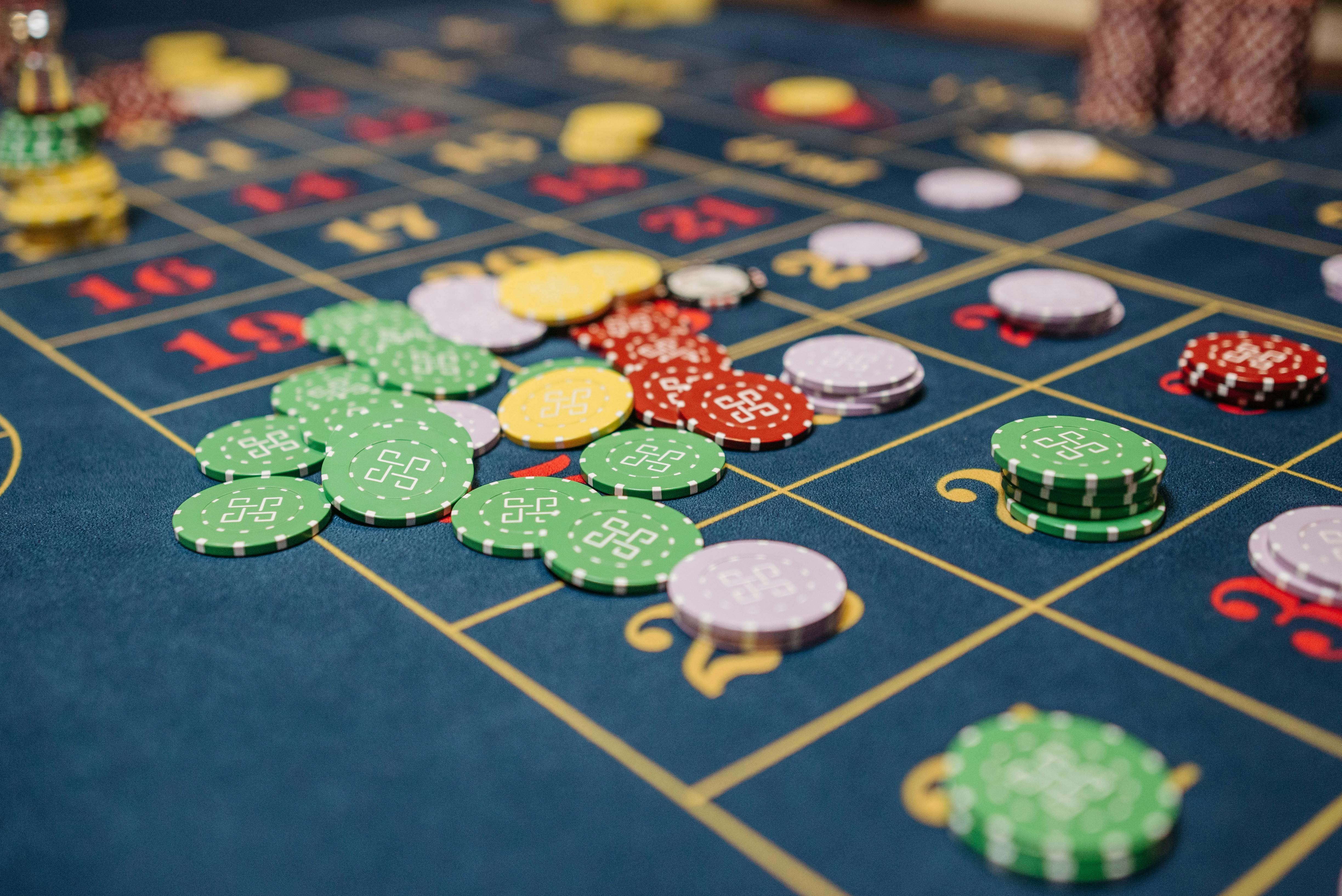
Exploring the Future of Gambling
As we look towards the future, the gambling industry continues to evolve, driven by emerging technologies such as virtual reality and blockchain. These innovations promise to create immersive gaming experiences, allowing players to engage in realistic environments from anywhere in the world. Blockchain technology also offers enhanced security and transparency, addressing some of the concerns associated with online gambling.
Furthermore, the increasing acceptance of gambling in various cultures suggests that it will remain a prominent aspect of entertainment and social interaction. As regulations evolve and new markets emerge, the gambling landscape will likely continue to expand, presenting opportunities for both players and operators. Staying informed about these changes is crucial for anyone interested in the world of gambling.
The evolution of gambling reflects a rich tapestry of history, culture, and technological advancement. As we navigate this dynamic landscape, it’s important to engage with responsible gaming practices and remain aware of the ongoing transformations shaping the future of gambling. Understanding these trends will empower players to make informed choices in their gaming experiences.