
The Thrill of Uncertainty
The allure of casino gambling often revolves around the excitement of uncertainty. Players are drawn to the potential for winning large sums of money, but equally, they are captivated by the unpredictability inherent in games of chance. This thrill can trigger the brain’s reward system, releasing dopamine and creating feelings of pleasure and satisfaction that come from taking risks. Additionally, some players explore non gamstop online casinos uk to amplify their gambling experiences.
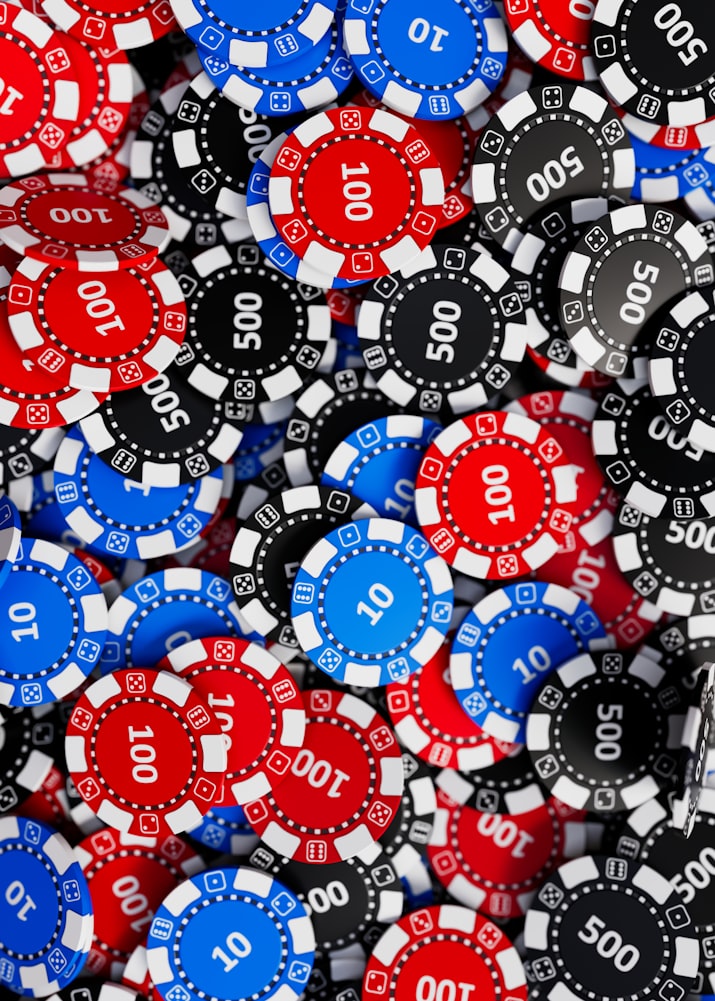
This psychological response is similar to that experienced in other forms of risk-taking behavior. The unpredictability associated with gambling offers an escape from the mundane, allowing individuals to engage in a form of entertainment that feels both exhilarating and rewarding, despite the potential for significant losses.
The Role of Cognitive Biases
Cognitive biases significantly influence gambling behavior, leading players to overestimate their chances of winning. For example, the gambler’s fallacy—a belief that past events affect future outcomes—can cause individuals to chase losses or believe they are “due” for a win. This bias can lead to irrational decision-making, compelling players to engage in riskier bets and increasing the overall gambling experience.
Moreover, confirmation bias plays a role as players often remember their wins more vividly than their losses. This selective memory reinforces the belief that they have a better chance of winning than they actually do, further enticing them to gamble despite the odds.
The Social Aspect of Gambling
Gambling is often a social activity, and the communal environment of casinos can amplify the psychological motivations behind it. Players may feel encouraged by the presence of others, leading to more daring bets and a heightened sense of camaraderie. This social interaction can create a shared experience that makes the risks taken feel less daunting, as players rally around each other in pursuit of big wins.
Additionally, the culture surrounding gambling can foster a sense of belonging among players. This social acceptance may encourage individuals to gamble more frequently, contributing to a cycle of risk-taking behavior fueled by peer influence and the desire for acceptance.
Addiction and Compulsive Gambling
While many individuals gamble for fun, some may develop compulsive gambling behaviors that stem from deeper psychological issues. Addiction to gambling often involves a complex interplay of emotional and psychological factors, where the excitement of winning can overshadow the negative consequences of losing. The chase for that elusive win can become a powerful motivator that drives individuals to continue gambling despite their better judgment.
Treatment for gambling addiction is essential for those who find themselves unable to control their urges. Therapeutic strategies focusing on cognitive-behavioral approaches can help individuals recognize and change their thought patterns surrounding gambling, promoting healthier behaviors and reducing the risks associated with gambling.

Finding Support for Gambling Issues
Understanding the psychology behind casino gambling and the risks players take is crucial for promoting awareness and prevention. For individuals grappling with gambling disorders, accessing support and resources can significantly impact their recovery journey. Various organizations offer counseling, support groups, and educational materials to aid those affected by gambling addiction and their loved ones.
While gambling can be a source of entertainment, it is vital for players to approach it with caution and be aware of the risks involved. Seeking help and understanding the psychological factors that drive gambling can lead to healthier relationships with casino gaming and promote overall mental well-being.